The wide-close degeneracy occurs for binary lenses due to similarities of shape between the caustic structures. This is fully explored in Dominik (1999).

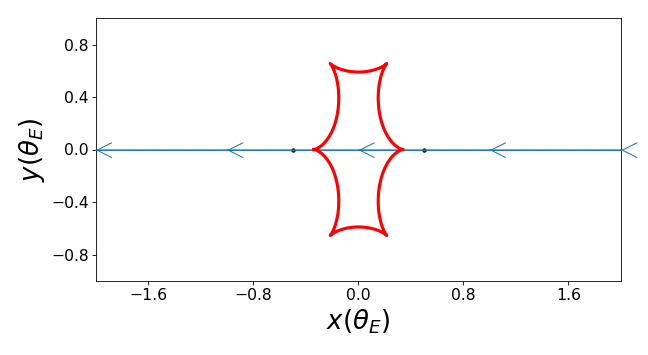
As discussed in caustics, binary caustics structures can have one of three morphologies:
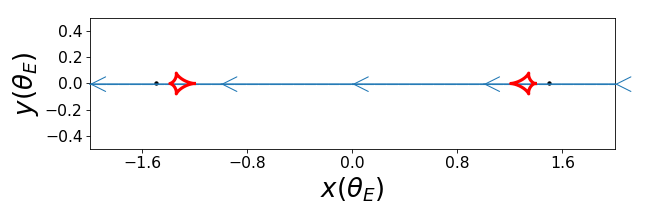
Caustic structure caused by a wide binary of equal masses
Caustic structure caused by a wide binary of equal masses [R.A.Street]
Caustic structure caused by an intermediate binary of equal masses
Caustic structure caused by an intermediate binary of equal masses [R.A.Street]
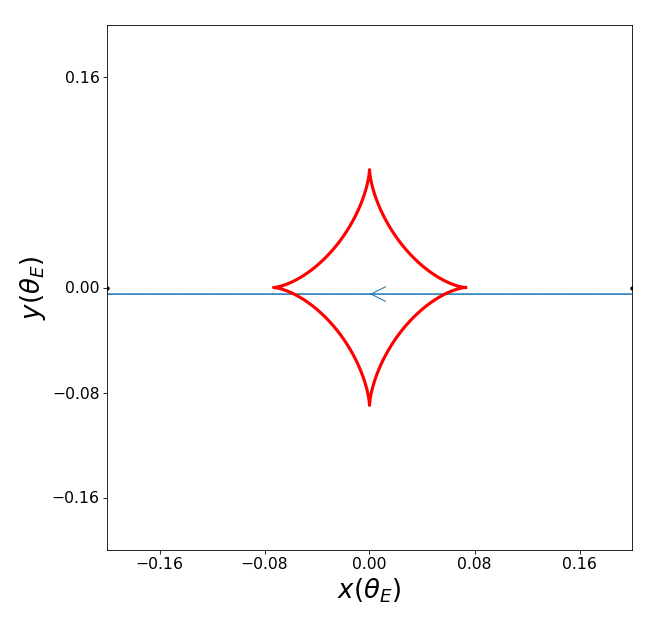
Caustic structure caused by a close binary of equal masses
Caustic structure caused by a close binary of equal masses [R.A.Street]

The single, central caustic of a close binary is similar in shape to either one of the two diamond-shaped structures that compose a wide binary caustic.
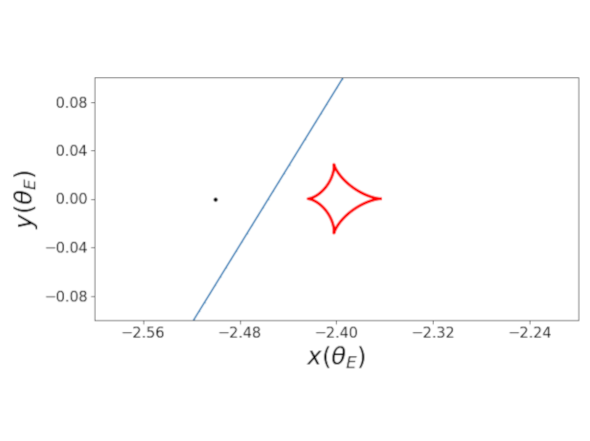
As a result, it is possible for the relative lens-source trajectory to pass or intersect these caustics in such a way that results in very similar magnification, and hence lightcurve morphology.
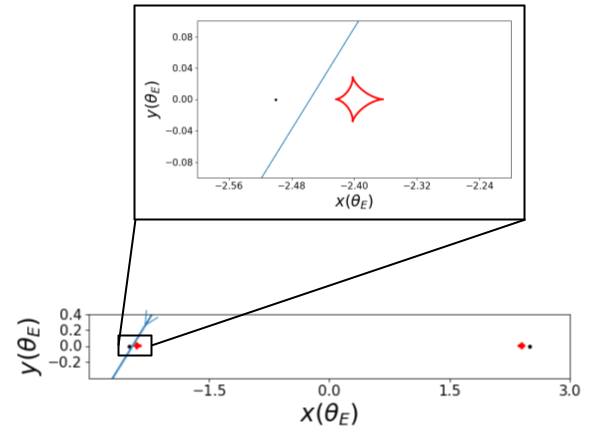
Caustic structure caused by a wide binary, showing a close-up of one caustic
Source trajectory passing by one of the two caustic structures caused by a wide binary, showing a close-up of one caustic [R.A.Street]
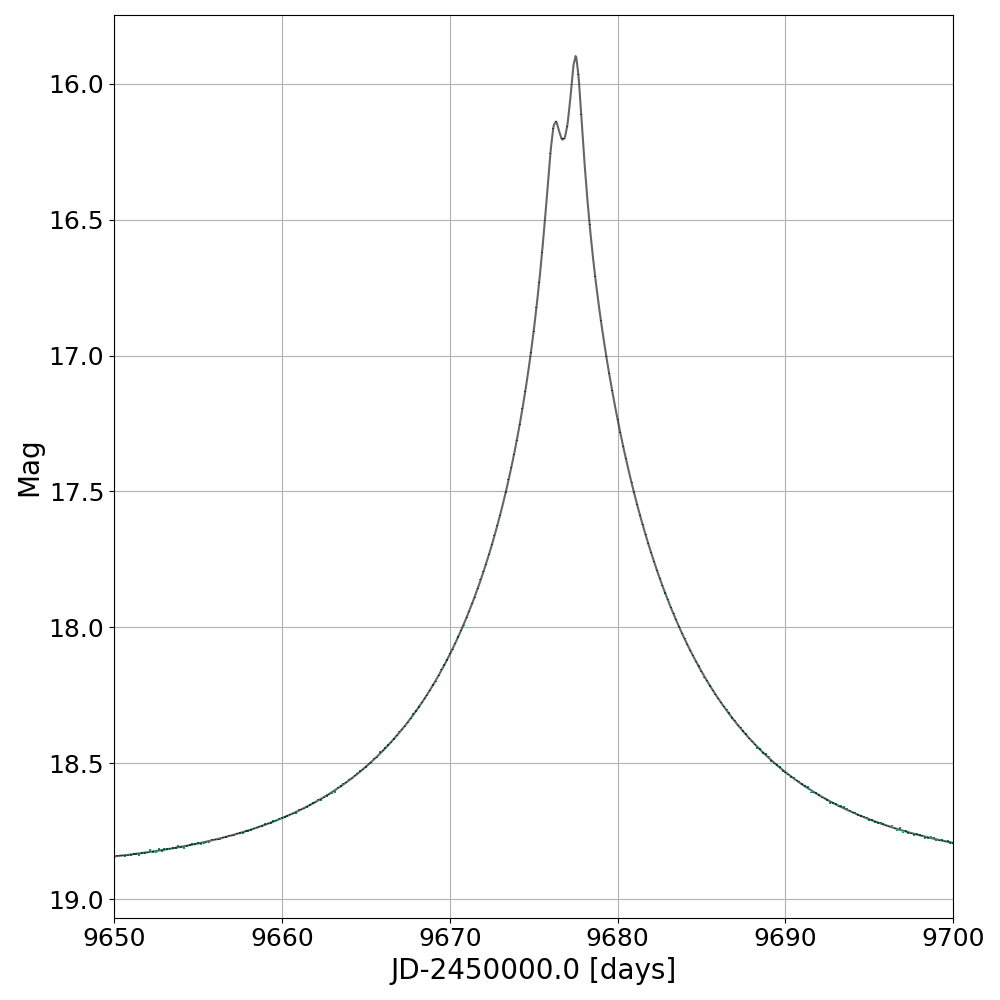
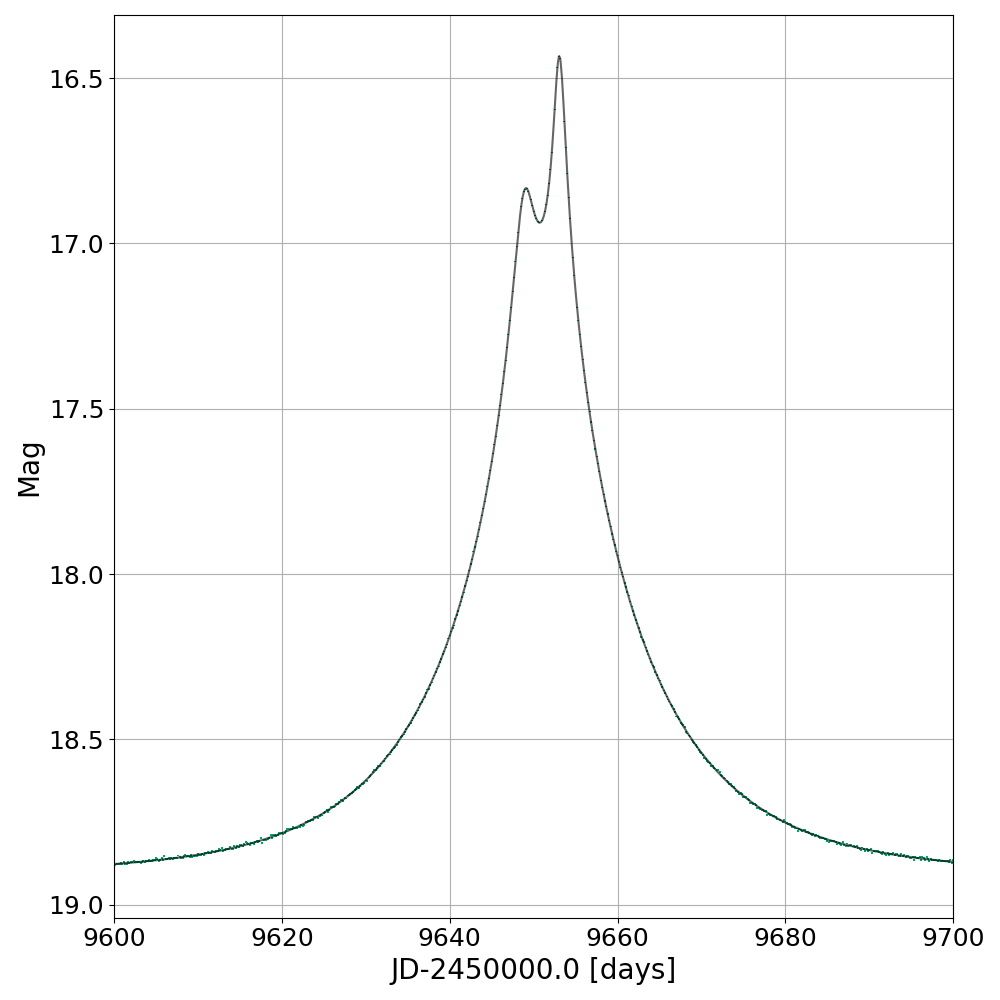
Lightcurve produced by a wide binary caustic
Lightcurve produced by a wide binary caustic [R.A.Street]
Caustic structure caused by a close binary showing the source trajectory
Caustic structure caused by a close binary, showing the source trajectory [R.A.Street]
Lightcurve produced by a close binary caustic
Lightcurve produced by a close binary caustic [R.A.Street]

References

Dominik, M (1999) A&A, 349, 108